Engine bay detailing is a specialised service offered by professional detailers, aimed at cleaning and restoring the engine compartment of vehicles. Many car owners express concerns about potential damage during this process, but with the right techniques and tools, detailing can be performed safely and effectively.
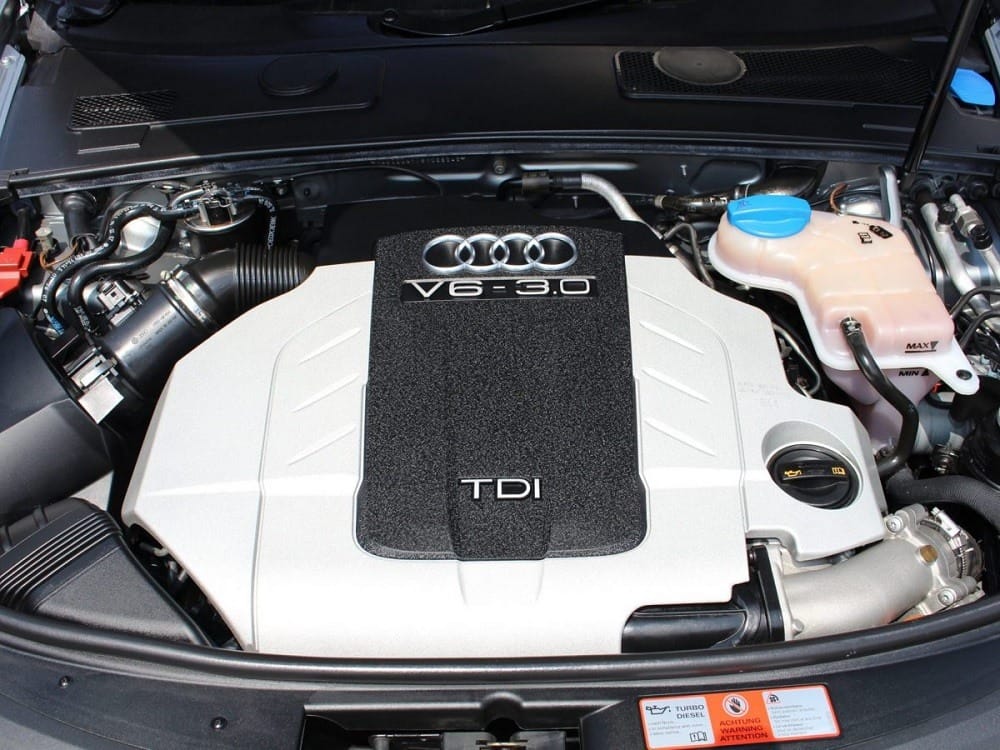
The detailing process involves five key steps:
- Assessing the level of dirt,
- Preparing the engine bay for cleaning
- Executing the cleaning with a systematic approach
- Correcting any paint imperfections on carbon fibre parts
- Finally, applying a protective dressing to achieve a factory-fresh look.
Assessment:
The first step in engine bay detailing is assessing the level of dirt present. Depending on the condition, a quick clean or a more thorough wash may be necessary. For lightly soiled engine bays, a steam machine can be used, while more heavily soiled areas may require water and detergent. It is essential to ensure that the cleaning method is safe for the specific vehicle, particularly for classic cars or those with exposed engines, where minimal water and low pressure are preferred.
Preparation:
Preparation is vital before cleaning begins. This involves protecting sensitive electrical components and air intakes by taping and wrapping them and ensuring the engine is cool to avoid damage. The cleaning process follows a systematic top-to-bottom approach, starting with the underside of the bonnet and moving to the engine. A degreaser is applied, and various brushes are used to agitate and remove dirt, ensuring that water pressure is kept low to prevent damage to components.
Cleaning:
The cleaning process for the engine bay follows a top to bottom approach, starting with rinsing the underside of the bonnet, including the sound insulation if it is in good condition. After the initial rinse, a degreaser, specifically Bilt Hamber Surfex HD, is applied and worked into the surfaces using various brushes and mitts. Areas with significant grease and dirt receive additional cleaner before a thorough rinse is performed, followed by an assessment to determine if further cleaning is necessary.
After finishing the underside of the bonnet, the next step is to rinse the engine carefully. Maintaining a safe distance with the pressure washer is crucial to prevent water from entering sensitive components and damaging taped or plastic-wrapped areas. This initial rinse effectively eliminates most dust and dirt, although some stubborn spots may still need additional cleaning with specialised tools.
The cleaning process involves working in small sections where a cleaner is sprayed and then agitated with different brushes to effectively clean tight areas. After rinsing, the team evaluates if further cleaning is necessary. This methodical approach prevents the cleaner from drying on surfaces, and continuous wetting of the engine bay is maintained to avoid water spots..
To tackle stubborn dirt, it is recommended to apply a cleaner and let it sit for a few minutes before scrubbing with a brush. This waiting period allows the cleaner to effectively break down the dirt, making it easier to remove.
After thoroughly cleaning all areas of the vehicle, we perform a final rinse and dry the bay, including the underside of the bonnet, using microfiber towels. Located on the Sunshine Coast, we utilise compressed air during this stage to ensure a complete and effective drying process.
Correction:
High-performance cars can have their engine bays significantly enhanced in appearance through the use of chrome or polished strut tower braces and clear-coated carbon fibre. These materials can be machine polished for efficiency, or hand polished for a more meticulous finish, although the latter requires more time. Utilising a microfiber towel with polish allows for buffing that results in a deep, glossy shine.
Protection:
The final step in engine bay detailing involves applying a protective, water-based dressing to achieve a factory-fresh look. This dressing not only enhances the appearance but also helps keep the engine bay cleaner for an extended period, making future cleaning easier. The process includes spraying the dressing onto a microfiber cloth and wiping it over all surfaces. For vehicles with carbon fibre, gloss plastic, or painted components, a ceramic coating can be applied to provide excellent protection and facilitate easier maintenance.
Carr Detailing specialises in engine bay detailing and invites customers to contact them via email or phone to schedule a service. We are located on the Sunshine Coast and look forward to welcoming our clients, both new and old.